












Botanic Garden and Natural Lands
America’s oldest preserved botanic garden is still growing.

The 50 acres of Bartram’s Garden change every day and in each season.
A variety of ecosystems thrive within this landscape, representing a range of historic, botanic, and cultural forces. Our landscape is based on natural ecosystems, the Bartram family’s letters and books, archaeological and geological evidence of how the land and river have changed and been used for millennia, and knowledge gained from Indigenous First Nations of North America.
Learn from the Botanic Garden
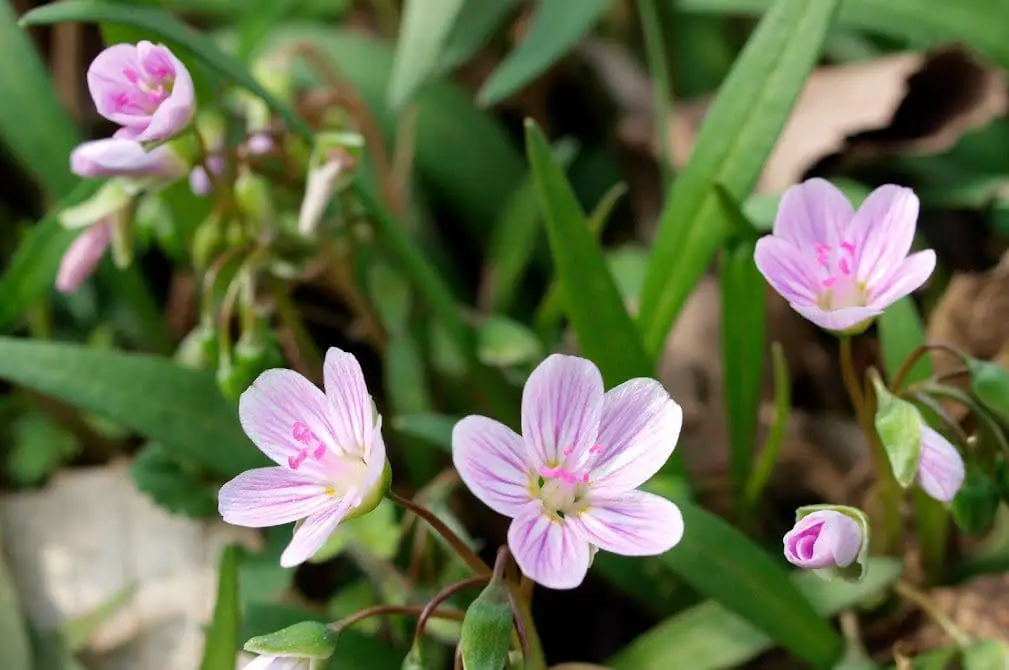


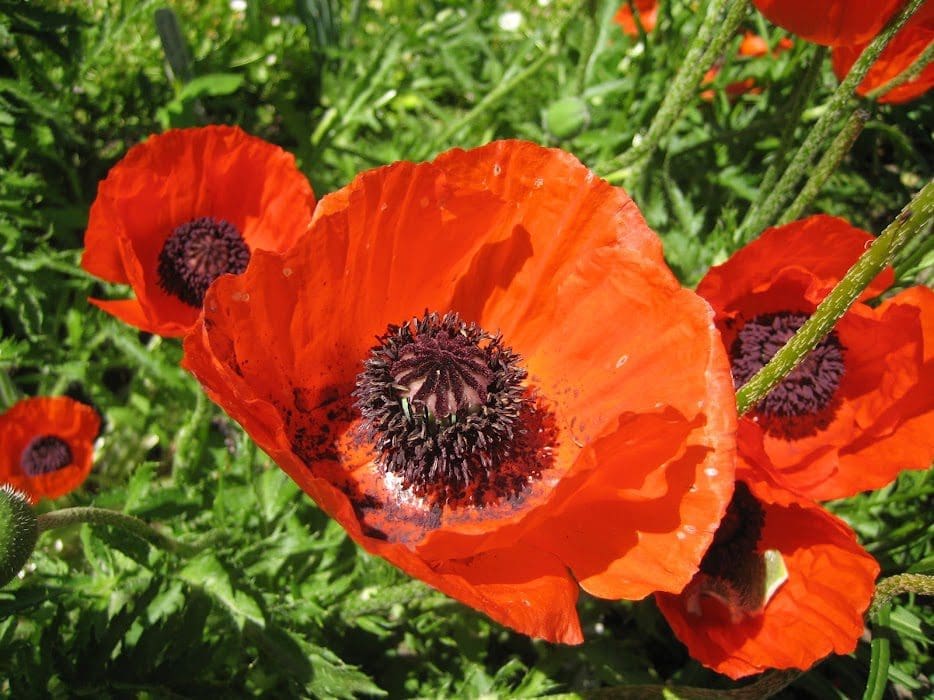
Botanic Garden
The 14-acre Botanic Garden is a collection of plant species collected, grown, and studied by the Bartram family from 1728−1850. The Bartrams focused on native plants of eastern North America, although a wide range of imported exotic plants were also under cultivation in each generation. They made great efforts to observe and record details of relationships within the plants’ original habitats, sometimes but not always noting ethnobotanical relationships.
The layout and plant collections draw from historical records of the garden from the 1700s and 1800s, which are studied and interpreted in the spirit of the Bartram family by our gardeners. The gardens closer to the historic buildings, sometimes referred to as the Upper Garden, represent more formal display gardens, while the Lower Garden, or Wilderness Garden, reflects the plant and animal communities of the North American wilderness.
History of the Botanic Garden
In the 1700s, John Bartram and his son William made many plant-collecting journeys, some north almost to Canada, others as far south as the Gulf Coast, and others as far west as the Mississippi River. They returned to Philadelphia with specimens of native North American plants that were unfamiliar to them and undescribed by European botany, including magnolias, rhododendrons and azaleas, and carnivorous plants.
As Bartram’s fame as a botanist grew, he established one of the earliest commercial enterprises to sell North American plants as individuals or fragments, shipping seeds and plant specimens to clients and collectors in Britain. By the 1750s, Bartram hand-copied early seed and plants lists to share with selected correspondents and print in circulars. In return, Bartram’s friends and peers occasionally brought him new plants as gifts. Many plants in today’s Botanic Garden would have once been included in these different exchanges. The Bartram family’s one-page catalogue, printed in 1783, is one of the first botanic lists of North American plants.
John Bartram’s granddaughter Ann and her husband, Colonel Robert Carr, continued tending Bartram’s Garden and established new formal exhibition gardens to the west of the Historic Bartram House. As plant exchange continued to grow and thrive, the Carrs considerably enlarged the Garden’s commercial nursery, which at its peak featured ten greenhouses, a collection of over 1400 native plant species, and as many as 1000 species of exotics, many under glass.
The country’s first nationally landmarked landscape and America’s oldest surviving botanic garden, the Botanic Garden and the Historic Bartram House were dedicated as a National Historic Landmark in 1963.
Learn more about our Shared Histories.

Ann Bartram Carr Garden
A fragrant pleasure garden for all seasons.

Harvey Memorial Garden
Commemorating the known and unknown Black lives, legacies, and contributions to this land.
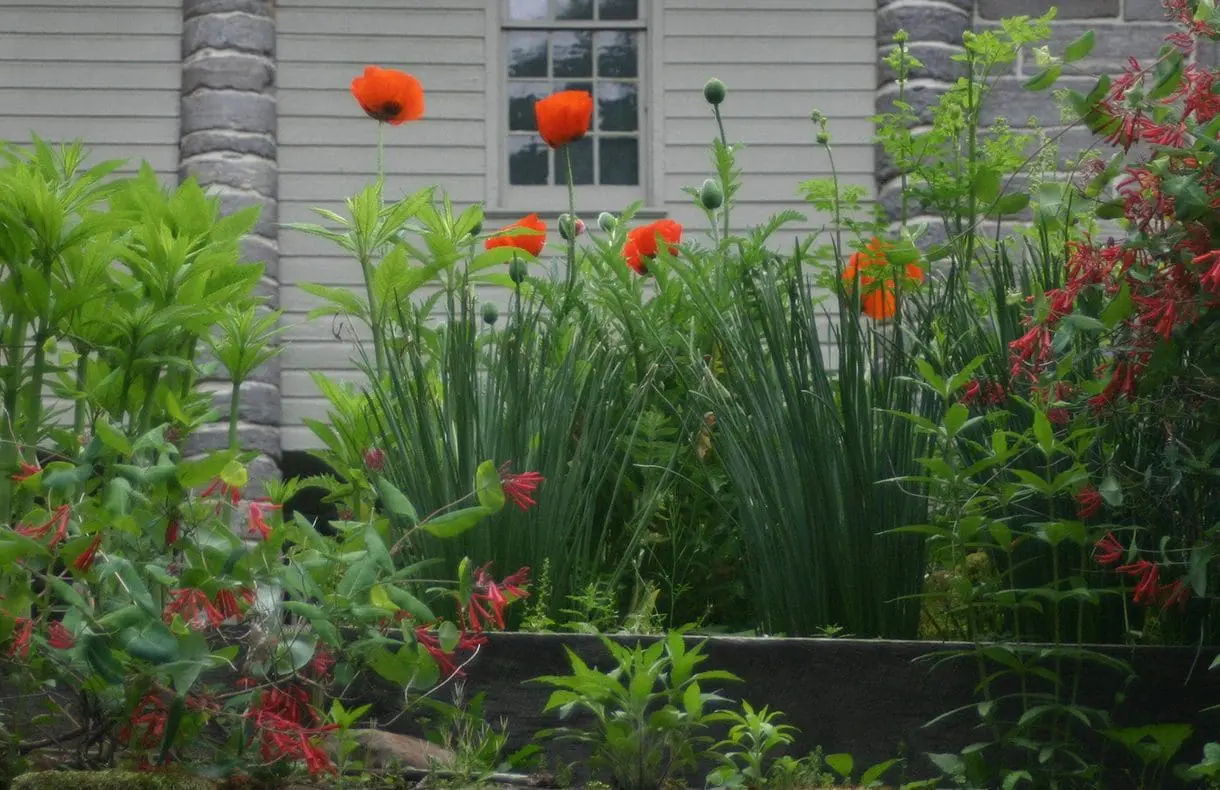
Upper Garden
Gardens for healing, household uses, and study.

Lower Garden
Wilderness-style gardens leading to the river.
Harvey Memorial Garden
Located in a quiet corner of the Wilderness Garden, the Harvey Memorial Garden is dedicated to the memory of the free Black man known to us as “Harvey,” whose presence on this land is otherwise uncelebrated and largely unrecorded by history. The Harvey Memorial Garden was designed by former Assistant Gardener Yasir Hall and Lead Gardener and Land Manager Mandy Katz, with support from the staff Harvey Memorial Committee and many devoted partners.
In “Slavery and Freedom at Bartram’s Garden,” late Historian Joel T. Fry writes,
“It has long been the story from early biographies of John Bartram that he ‘gave freedom to an excellent young African whom he had brought up, and who continued gratefully in his service while he lived.’ This individual, presumably male, remains in the shadows of the history of Bartram’s Garden. He was mentioned in several short, early biographies of John Bartram and eventually in 1860 was he connected with a name, ‘Harvey.’ When the last Bartram heirs left the historic garden site in 1850, the grave of this individual was marked in the southeast corner of the garden, near the river. ‘Harvey’s Grave’ remained marked for at least a century more and was generally included among the tourist attractions at Bartram’s Garden, even before the garden became a public park in 1891 . . .
“It remains difficult to pull apart fact from fiction in the account of the ‘excellent young African’ and the Bartram family’s relations with slavery. But the limited concrete documents, mainly tax records and census records do record a real, if limited Free Black presence at Bartram’s Garden by the end of the 18th century . . . While there is no proof the name or the grave site is accurate, if not mythical, it is a plausible story. And it is a physical place to commemorate the early Black history of Kingsessing.”
Although concrete details surrounding the existence of the free Black man named Harvey remain unknown, what these elusive circumstances surrounding his life say about our country’s broader neglect of Black histories is quite clear. Harvey’s story, or lack thereof, is a drop in the ocean of Black lives—not just the very labor that has built and sustained this country since the founding days, but the joys and triumphs, the trauma and hardships, the talents and personalities, the families and communities—that we will never know.
The creation of the Harvey Memorial Garden is to commemorate those stories that we do know, and the millions of those that we don’t. It is to honor the lives, legacies and contributions of Black folk in this Garden, this neighborhood, and country both past and present. It is a reminder of the violent history of slavery that is omnipresent, even amongst the scenic serenity of these botanical gardens. Bartram’s Garden is an aspirational vision for a future where historic places seek to repair our fraught legacies, and the dedication of the Harvey Memorial Garden is part of our efforts to do so.
Learn more about Black History at Bartram’s Garden.
Plant List & Garden Design
The Harvey Memorial Garden includes the following plants:
- Crataegus succulenta var. macracantha, fleshy hawthorn
- Rhododendron ‘English roseum’, rhododendron
- Physocarpus opulifolius ‘Coppertina’, ninebark
- Rosa chinensis ‘viridiflora’, green rose
- Illicium floridanum ‘alba’, white Florida anise tree
Writing about his design for the Harvey Memorial Garden, Yasir Hall explains,
“This memorial will memorialize not only the life of Harvey but also the lives of all those who have gone unrecognized for their hard work. It features an unusual green rose (Rosa chinensis ‘Viridiflora’), which is said to have been discovered in China during the mid-18th century. However, it did not gain attention until the mid-19th century, when it was rumored to have been used by abolitionists to show that their homes were welcoming to all people who were in need of shelter while fleeing enslavement.
The green rose will represent the welcoming and acceptance of all people here at the Garden. Its green color also represents the connection between life and nature, showing how although it may seem like we are so very different, humans and nature have much more in common than we think!”
Ann Bartram Carr Garden
Located on the west, or trail, side of the Historic Bartram House, the Ann Bartram Carr Garden was originally the 19th-century exhibition garden created by John Bartram’s granddaughter Ann (1779-1858) and her husband, Colonel Robert Carr. It was also the first public green space at Bartram’s Garden, showcasing fashionable exotics that the Carrs imported from around the world, as well as Ann’s own hybrid dahlias and camellias.
The curved paths of the Carr Garden are designed for moving slowly and carefully observing the plants on display. Feel free to walk on the grass paths, too! Click here for an audio description of the Ann Bartram Carr Garden designed to make this space more accessible to all.
Restored in 2016, this is Philadelphia’s only interpreted 19th-century pleasure garden. The restoration received a 2017 Grand Jury Award from the Preservation Alliance of Greater Philadelphia and a 2018 Award of Merit from the PA-DE ASLA Chapter.
Upper Garden
Common Flower Garden
The Common Flower Garden is sited on the river-facing side of the Bartrams’ home, directly across from their front porch. During the 18th and 19th century, plants were shared with the Bartrams from all over the world; this garden is curated to represent their most intriguing specimens. It contains both native and newly introduced species of flowering plants, including annuals, perennials, bulbs, and a showy center display that is designed seasonally.
Kitchen Garden
The Kitchen Garden includes examples of plants a family could have grown to sustain their needs in a Philadelphia garden prior to 1830. We include plants that were new and unusual introductions to this continent, such as tomatoes and peppers. A typical kitchen garden prior to the mid-nineteenth century would have included a variety of what were referred to as “herbs”: vegetables, plants used in dyeing and textiles, medicinal and culinary plants, and plants used for cosmetics and household cleaners. Today, we grow a mix of all these categories, as well as seed crops to help preserve varieties that have survived from this time.
Native Medicinal Plant Display
John Bartram had a lifelong interest in plant medicine and healing, and he cultivated a large number of important North American medicinal plants, including ginseng. This display, adjacent to the Barnyard, is inspired by a 1751 treatise written by John Bartram that was published by Benjamin Franklin in Thomas Short’s Medicina Britannica.
Coach House
On the river side of the Coach House and to the right of the large evergreen Magnolia grandiflora you’ll find a small garden bed dedicated to two very different displays. In the Spring you’ll find a part of our historic bulb collections featuring species tulips and fragrant hyacinths. In the Summer the bed explodes with examples of historically grown hothouse tropicals, tender perennials, and annuals.
Lower Garden or Wilderness Garden
The Wilderness Garden is actually a series of gardens, an arboretum, and a park space; its name comes because the Bartram nursery business was founded on plant collecting in the American wilderness. Wilderness gardens were also a style in European estate gardening that likely influenced the layout of the lower part of the garden since at least the 1760s, though there isn’t much historical evidence of the layout of this part of the original gardens. Different garden areas here include the 1783 Plant Catalog Display, which highlights native trees and shrubs showcased in the Bartrams’ 1783 catalog; the William Bartram Quarter, which focuses on plants that were meaningful to William Bartram; and the Water Garden and Pond.
William Bartram Quarter
Following in his father John’s footsteps, William Bartram (1739-1823) continued to learn about and describe native American plants through travels in the American South and knowledge gained from the Indigenous First Nations of North America. A famed naturalist, artist, and author in his own right, William journeyed through the American South from 1773 to 1776 under the patronage of Dr. John Fothergill. William’s landmark book, Travels, first published in 1791, found an eager audience in Europeans seeking more information about the native American landscapes. His drawings and detailed observations about people and plants made Travels an instant classic of naturalist literature.
Plantings in this section of the Garden represent trees and shrubs that are particularly associated with William Bartram, including bottlebrush buckeye (Aesculus parviflora) and oak-leaf hydrangea (Hydrangea quercifolia), both of which William noted during his Southern travels, as well as Fothergill or witch alder (Fothergilla gardenii), named by another botanist for William’s patron.
Water Garden & Pond
The Water Garden and Pond showcase native American plants endemic to aquatic and wetland ecosystems, including lotus (Nelumbo lutea), fragrant water lily (Nymphaea odorata), and even carnivorous plants like pitcher plant (Sarracenia flava) and Venus fly trap (Dionaea muscipula). Like the rest of the Garden, the Pond also has its own native residents, including fish and turtles.
The Pond was recreated in 1998 based on archaeological evidence of John Bartram’s original “fish pond” in this spring-fed area, where he grew fragrant water lilies, American lotus, golden club, arrow arum, pickerel weed, and other native water plants.
Eastwick Pavilion Moon Garden
The moon garden at Eastwick Pavilion is specifically planted as a pollinator garden for moths and other nighttime pollinators. Nighttime pollinators are attracted to pollinator plants that are pale colored and night blooming or night scented.
Harvey’s Memorial Garden (Future Site)
Designed and Written by Yasir Hall, Youth Apprentice (2022)
Within the Garden’s many layers of history lies the story of a free Black person who was mentioned in some historical sources as working with the Bartram family and likely living here at the Garden. His job title is unknown: in fact, not very much is known about him at all. His name, like the names of many other Black people throughout history, was wiped from history and forgotten.
According to Curator Joel Fry, “When the Bartram family sold the property in 1850, the grave of this individual was marked here in the southeast corner of the Botanic Garden, near the river. In the 1860s, probably decades after his death, this person was identified in an early biography of John Bartram as being named “Harvey.” “Harvey’s Grave” remained marked for at least a century more and was generally included among the early tourist attractions at Bartram’s Garden, even before the garden became a public park in 1891.”
This memorial will memorialize not only the life of Harvey but also the lives of all those who have gone unrecognized for their hard work.
It features an unusual green rose (Rosa chinensis ‘Viridiflora’), which is said to have been discovered in China during the mid-18th century. However, it did not gain attention until the mid-19th century, when it was rumored to have been used by abolitionists to show that their homes were welcoming to all people who were in need of shelter while fleeing enslavement.
The green rose will represent the welcoming and acceptance of all people here at the Garden. Its green color also represents the connection between life and nature, showing how although it may seem like we are so very different, humans and nature have much more in common than we think!
Learn more about Black History at Bartram’s Garden.

Natural Lands
Stretching throughout the Garden’s 50 acres, the Natural Lands — including the Meadow, Tidal Wetlands, and woodlands along the river’s living shoreline — draw upon both ancient and contemporary techniques for growing in harmony within the natural world. These spaces provide important year-round resources for a range of native and migrating species, including humans.

Meadow
Reclaimed natural land with a view of Center City.

Boardwalk
A living shoreline on the Tidal Schuylkill River.

Cider Mill Slope
Wildflowers and birding along the river.
Meadow
The name of our neighborhood, “Kingsessing,” is derived from a Lenape word meaning “place where there is a meadow.” The 17-acre hillside Meadow has been reclaimed from the Warner Company, a cement factory that occupied the site from 1925 to 1977. Many of the skyscrapers and highway bridges you can see across the river were constructed with concrete manufactured right here.
While this Meadow was re-established in 1987, it represents what grew here at the time of the Bartram family. The Bartrams harvested hay and let their cows and horses graze. They — like us — had a view of the Philadelphia skyline, though it looked quite different than it does now!
Mown paths through the Meadow change from year to year. Where does a smaller path take you? How has the Meadow changed since your last visit?
Meadows are pioneers of land reclamation, cropping up wherever there’s sunny open space. Grasses and wildflowers provide food and shelter to small mammals, native insects, and migratory birds. Without animals grazing or occasional fires, meadows quickly transform to woodland. We manage our Meadow with annual mows, which allow the Meadow to rejuvenate. You can also find pockets of more intensively planted wildflowers scattered throughout the Meadow, in the hopes that the wildflowers will spread themselves throughout the space over time.
Look for Common Milkweed (Asclepias syriaca) growing in the Meadow, which has a special relationship with monarch butterflies. You can observe the full life cycle of a monarch–egg to caterpillar to chrysalis to butterfly–right here each year!
Our meadow is also home to 10 bee hives, maintained in partnership with Philadelphia urban beekeeper Jeff Eckel of Instar Apiaries. The honey is harvested each year for sale in our Welcome Center.
Boardwalk and Tidal Wetland
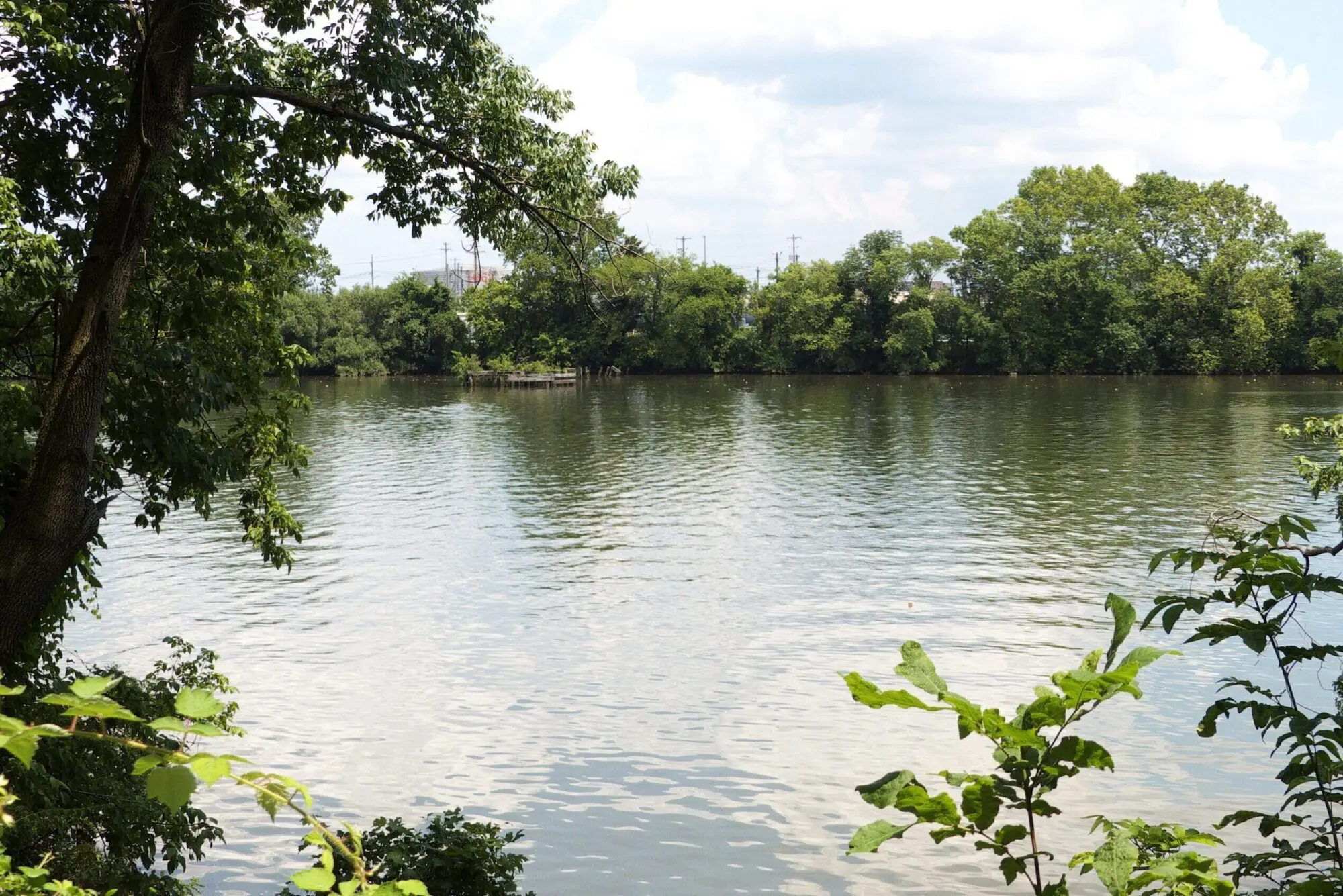
This portion of the Schuylkill River is tidal, so the direction of the flow reverses about every 6 hours, and the water level fluctuates by 5 to 7 feet, creating wetland and mudflats.
Archaeological evidence shows that humans have lived here seasonally for more than 5,000 years, due to the reliable source of food generated by the nutrient-rich wetlands. In John Bartram’s time, colonists recognized the value of the wetland and maintained it in common rather than one individual owning the land.
The Boardwalk provides a dry footpath through natural tidal wetlands right on the river’s edge and includes tidal marks from the 1800s carved into stone. On either side of the path, you can see bald cypress (Taxodium distichum) trees, large deciduous conifers with easily identifiable “knees” poking out of the soil, along with oyster mushroom colonies on fallen trees and introduced species of fragrant clematis.
Further south, adjacent to the Sankofa Community Farm, a 1.5-acre freshwater tidal wetland was created in 1997 and restored and expanded in 2013. It provides important habitat for many creatures and features native plants, including bulrush, marsh grass, spatterdock, iris, hibiscus, and marsh rose, as well as edibles including pawpaw, beach plums, and persimmon.
Cider Mill Slope
The carved stone cider mill is a great place to enjoy wildflowers endemic to the mid-Atlantic, including spring ephemerals such as bluebells (Mertensia virginiana) and woodland poppy (Stylophorum diphyllum) and, later in the summer, passionflower or map pop (Passiflora incarnata). It’s also a great vantage point for birding: look for migrating songbirds, including various warblers and Cedar Waxwings in spring and fall, as well as waterfowl and shore birds that are drawn to the tidal wetland.
Learn more about the Cider Mill.

Notable Trees
Within the Garden’s hundreds of trees, several have particular historical and cultural significance.
Franklinia or Franklin Tree
Franklinia alatamaha
The Garden’s signature tree was observed by John and William Bartram in 1765 in a small grove along the Altamaha River in what is now known as southern Georgia, on the land of the Muscogee Nation. In 1777, William Bartram transported seeds back to Philadelphia for cultivation and named the plant Franklinia in honor of his father’s close friend Benjamin Franklin. The plant has not been found in the wild since the early 19th century, but continued cultivation by the Bartrams and by many other nurseries has kept the Franklinia in the landscape. All current Franklinia are descended from those originally grown by the Bartrams, including numerous specimens within Bartram’s Garden and those for sale in our nursery.
A member of the tea family, the Franklinia is notable for its large, fragrant white flowers in late summer. The plant’s deciduous leaves often begin turning vibrant shades of red and orange even while the Franklinia is blooming, making for a striking contrast.
Learn more about the history of the Franklinia.
Ginkgo
Ginkgo biloba
This male tree is believed to be North America’s oldest living ginkgo, or maidenhair, tree. It was one of three original ginkgo trees sent to the U.S. from London in 1785 by William Hamilton of The Woodlands in West Philadelphia. Hamilton gave one ginkgo tree to William Bartram and planted two in the landscape garden at The Woodlands. The trees at the Woodlands were cut down in the 1980s, but the tree at Bartram’s Garden continues to thrive.
Yellowwood
Cladrastis kentukia
One of the Garden’s oldest trees is the Yellowwood, which has reigned over the Kitchen Garden for more than 200 years. The species was observed in central Tennessee by the French plant explorer Andre Michaux in 1796, who sent this specimen to William Bartram in the early 1800s. The historic tree was badly damaged during a wind storm in 2010, but it is recovering well and continues to grow and bloom, and another beautiful Yellowwood is located near the Ginkgo. Look for the Yellowwood’s long tendrils of tiny, white, sweet-smelling blossoms in late spring.
Pawpaw Grove
Asimina triloba
Bartram’s Garden is home to two colonies of pawpaws (Asimina triloba), an ancient, native North American fruit tree found in the dappled shade near taller trees across most of the eastern half of the United States. Over time, these trees have formed colonies by sending out suckering roots genetically identical to the parent tree.
Look for the thin, droopy branches and teardrop-shaped, tropical-looking leaves, which shroud the large, fragile fruit — in fact, pawpaws are North America’s largest edible fruit, with a sweet, funky taste. Between March and May, just as the trees begin to leaf out, the pawpaw’s maroon, bell-shaped flower will emerge. Each flower is capable of producing several fruits, but they’ll need to be pollinated first. In order to set fruit, pawpaws need to be cross-pollinated by a genetically different tree or colony, which is why we have two colonies.
Not only do they provide fruit, but pawpaws are also a host plant for the zebra swallowtail caterpillar. These caterpillars like to munch solely on pawpaw leaves, which results in the caterpillars tasting very unpleasant for hungry birds.
Bald Cypress
Taxodium distichum
This large deciduous conifer is common in wet or swampy areas. You can find several in the Wilderness Garden and as you walk towards the riverfront on the Boardwalk, including some by the Boardwalk with the species’ distinctive “knees” poking out of the soil.
In 1792, while sending planting instructions to George Washington to accompany a nursery order for Mount Vernon, William Bartram described the bald cypress as a tree of “stature majestic, foliage most delicate, wood of a fine yellow colour, odoriferous & incorruptible.”
Most notable in the Wilderness Garden is a Bald Cypress that is no longer present on site, though another was planted in its place. The earlier bald cypress was said to have been grown from a small sapling first planted by John Bartram, eventually reaching 150 feet tall and seven feet in diameter. It was felled by a storm in 1920.
Bartram Oak
Quercus x heterophylla
John Bartram first observed specimens of the Bartram oak, a rare but naturally occurring hybrid of red and willow oak, on William Hamilton’s nearby estate, The Woodlands, located upriver in West Philadelphia.
Sankofa Community Farm Orchard
The Sankofa Community Farm at Bartram’s Garden hosts Philadelphia’s most diverse orchard in partnership with the Philadelphia Orchard Project. More than 130 trees grow everything from almonds to persimmons to figs.
Please respect the hard work of our farmers and youth interns and do not pick or forage without permission.

Little Warren Grove
Little Warren Grove is a collection of circular raised bed gardens hosting a range of plants native to North American bogs, including carnivorous plants and their allies. Located adjacent to the park’s main driveway, Little Warren Grove was established in 2026 thanks to a generous donation of plants and wisdom from Jason Austen and Bill Smith of Warren Grove, New Jersey.
This garden also connects us to early botanic research done by the Bartram family beginning in the 1730s as well as historic and ongoing ecological restoration and land management leadership by the Waccamaw Siouan people.
The garden is designed to mimic the conditions of a natural bog: a cistern collects rainwater from the nearby building, which is then piped underground to each bed’s peaty soil.
What's a bog?
A bog is an acidic wetland dominated by sphagnum mosses and shrub heaths, characterized by the accumulation and slow decay of plant materials over thousands of years, and with rain or snow as its only water source. The water constantly runs through the decaying plant matter, carrying away nutrients such as nitrogen, phosphorous, and potassium—all of which most plants need to be healthy. As a result, bogs are very wet, nutrient-poor, acidic environments.
Though many plants would not survive in these conditions, carnivorous plants like Venus flytrap and pitcher plants are specially adapted to bog ecosystems: since the peaty soil in which they grow is so low in minerals, carnivorous plants instead get their nutrients from the insects they attract and ingest.
Both bogs and their inhabitants are very rare: many plants and animals that live in bogs are so specialized to these harsh conditions that they can’t exist anywhere else in the world!
Many plants that grow in bogs are adapted to grow in clearings after fires. In many of their native habitats, fires occur naturally from lightning strikes; for thousands of years, controlled burns have also been managed by Indigenous communities. Such fires increase the biodiversity of plant and animal life; they remain beneficial in places that have legalized the safe use of fire for landscape management.
Unfortunately, like wetlands in general, many bogs have been harmed by human behavior. For generations, humans have relied on bog ecosystems as sources for harvesting peat for fuel and horticulture (it’s a common ingredient in potting soil!). People have also intentionally filled in, ditched, or drained bogs in order to build or farm on the land. As a result, naturally occurring bogs are being emptied, drained, and filled with other soils more quickly than nature can rebuild them, making these astonishing ecosystems—and the plants that can grow nowhere else—fragile and vulnerable.
Cultivation History
The name Little Warren Grove draws on both the history of this landscape as well as the history of this specific plant collection.
We are forever grateful to Jason Austen and Bill Smith for their generous donation of an entire garden of carnivorous plants and their allies to Bartram’s Garden. They did not only share plants but also offered a wealth of knowledge with staff horticulturists about how to cultivate these delightful specimens. Bill and Jason originally cared for these plants at Bill’s home garden in Warren Grove, New Jersey: located in the Pine Barrens, where pitcher plants and sundews grow naturally.
These cultivation efforts link us to many gardeners, known and unknown, who came before us in caring for these plants.
During the Bartram family’s study of botany on this site in the 1700s and early 1800s, they were very interested in collecting plants from boggy places. They were very early amongst the colonists to collect pitcher plants, Venus flytraps, and sundews. They brought them back to their garden here in Philadelphia from places like the Carolinas and the New Jersey Pine Barrens, learned how to grow them, and introduced them into the international horticultural trade.
In a 1763 letter, John Bartram describes an artificial bog, similar to this one, that he created to grow the same kinds of plants on this same property:
“my great carolina saracena is in full bloom & my wife took one to town yesterday which was much admired it is a glorious, odd flower A goldish color & striped”
In 1764, he writes,
“the Saracena Grows wonderfully in an Artificial bog but most unfortunately a Black Snail Eat of the flower bud before it was discovere’d but the Leaves are great Rarities for their wonderful Structures & much admired”
He also laments his struggles to cultivate the Venus flytrap:
“. . . very difficult to raise to keep mine that I thought intirely killed last winter is revived but is so small & weak as hardly to [be] sensible of being tickled”
In addition to the Pine Barrens of New Jersey, various species of pitcher plants occur throughout the eastern United States in bogs. The Venus flytrap, however, is native only to the territory of the Waccamaw Siouan people in what is now known as North and South Carolina. The Tribe is still connected with the plants today, recently organizing STEM programs to revisit the Green Swamp where their ancestors introduced William Bartram to the plants of the area.
In 1791, William Bartram prefaced his book Travels with what can best be described as a love letter to Venus flytrap (Dionea muscipula):
“But admirable are the properties of the extraordinary Dionaea muscipula! A great extent on each side of that Turpentine rivulet is occupied by those sportive vegetables—let us advance to the spot in which nature has seated them. Astonishing production! See the incarnate lobes expanding, how gay and sportive they appear ready on the spring to intrap incautious deluded insects! What artifice! There behold one of the leaves just closed upon a struggling fly: another has gotten a work; its hold is sure, its prey can never escape—carnivorous vegetable! Can we after viewing this object, hesitate a moment to confess, that vegetable beings are endued with some sensible faculties or attributes, similar to those that dignify animal nature; they are organical, living, and self-moving bodies, for see here, in this plant, motion and volition”
Grow Your Own
Helping bog plants thrive requires re-creating the natural conditions for which they have evolved over thousands of years. We do not recommend growing indoors, as they require dormancy and direct sunlight.
- Fresh Water: Bog plants rely on pure rainwater, well water, or distilled water. They will not survive treated municipal water from a sink or hose.
- No Tickling: When planted outdoors, these plants can catch food on their own! But don’t attempt to stimulate or feed these plants: if the sensitive hairs, or trichomes, on a Venus flytrap are touched repeatedly, it will shut. Shutting requires a lot of energy—if it closes without a meal, the plant may suffer.
- Climate Care: These plants are native to the mid-Atlantic and are comfortable growing outdoors year-round in our hardiness zone (7B). Mulch with pine needles if temperatures fall below 30°. Expect dormancy in the winter before they thrive again in the warmer months.
- Soil Media: Bog plants grow in sphagnum peat moss, which can be mixed with some perlite or chemical-free sand. They will not tolerate regular garden soil or potting mixes.
Plant List
Plantings may vary slightly by season.
- Andromeda polifolia bog rosemary
- Aletris farinosa true unicorn root
- Camaedaphne calyculata leatherleaf
- Chamalerium luteum false unicorn root
- Calapogon tuberosa grass pink orchid
- Calydorea coelestina Bartram’s ixia
- Dionaea muscipula Venus flytrap
- Drosera filiformis threadleaf sundew
- Helonius bullata swamp pink
- Iris prismatica slender blue flag
- Kalmia angustifolia sheep laurel
- Pinguicula spp butterwort
- Pogonia ophioglossoides rose pogonia
- Polygala lutea, orange milkwort
- Sabatia kennedyana Plymouth Rose Gentian
- Sarracenia alata x flava pitcher plant alata flava
- Sarracenia alata x minor pitcher plant alata x minor
- Sarracenia alata x leucophylla pitcher plant alata x leucophylla
- Sarracenia x ‘Bubba’s Sister’ ‘Bubba’s Sister’
- Sarracenia x Catesbaei Catesby’s pitcher plant
- Sarracenia flava yellow pitcher plant
- Sarracenia flava atropurpurea ‘Waccamaw’
- Sarracenia flava x minor pitcher plant flava x minor
- Sarracenia flava var. maxima pitcher plant flava “Maxima”
- Sarracenia flava var. ornata pitcher plant flava ornata
- Sarracenia flava var. rugelii pitcher plant flava rugellii
- Sarracenia x ‘Green Monster’ ‘Green Monster’
- Sarracenia x ‘Leah Wilkerson’ ‘Leah Wilkerson’
- Sarracenia leucophylla x oreophila pitcher plant leucophylla x oreophila
- Sarracenia leucophylla x pcitticina ‘Scarlet Belle’
- Sarracenia x Moorei Moore’s pitcher plant
- Sarracenia purpurea purple pitcher plant
- Sarracenia purpurea x rubra ‘Maroon’
- Sarracenia x ‘Red Sumatra’ ‘Red Sumatra‘
- Sarracenia x ‘Snow Flake’ ‘Snow Flake’
- Sarracenia x oreophila x leucophylla pitcher plant oreophila x leucophylla
- Spiranthes odorata Ladies tresses orchid
- Trientalis borealis starflower
- Triadenum virginicum marsh St. Johnswort
- Vaccinium macrocarpum cranberry
- Vaccinium corymbosum highbush blueberry
- Xyris caroliniana Carolina yellow-eyed grass
Upcoming Events

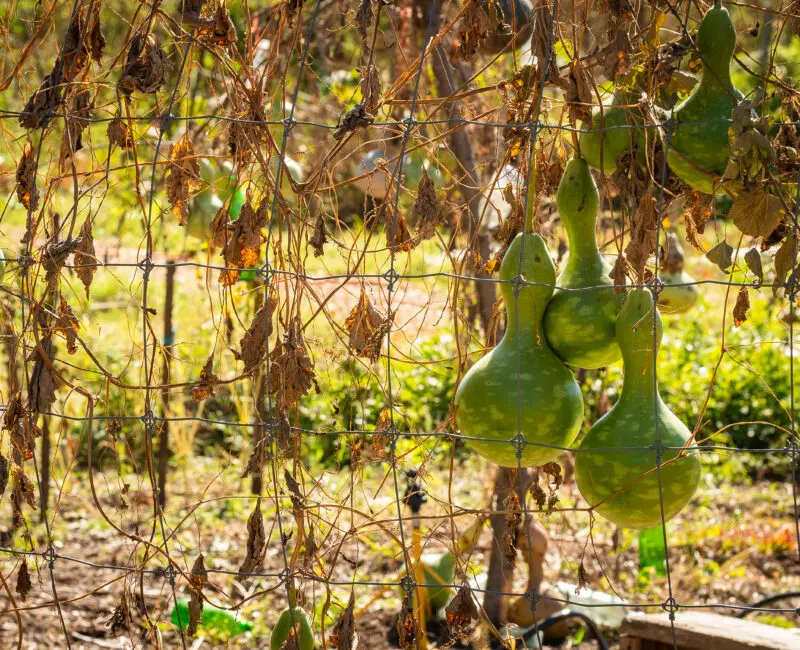
Wednesday, November 4, 4:30 pm
SWWAG Workshop: Putting the Farm to Bed to Prepare Your Winter Garden
Get InformationGarden Blog


September 10, 2026
Specialist Bees!
As you start making selections for fall planting, are you also considering the pollinators you may be inviting to your garden party? We’d all love to get an RSVP from...
Read MoreYou may also be interested in:
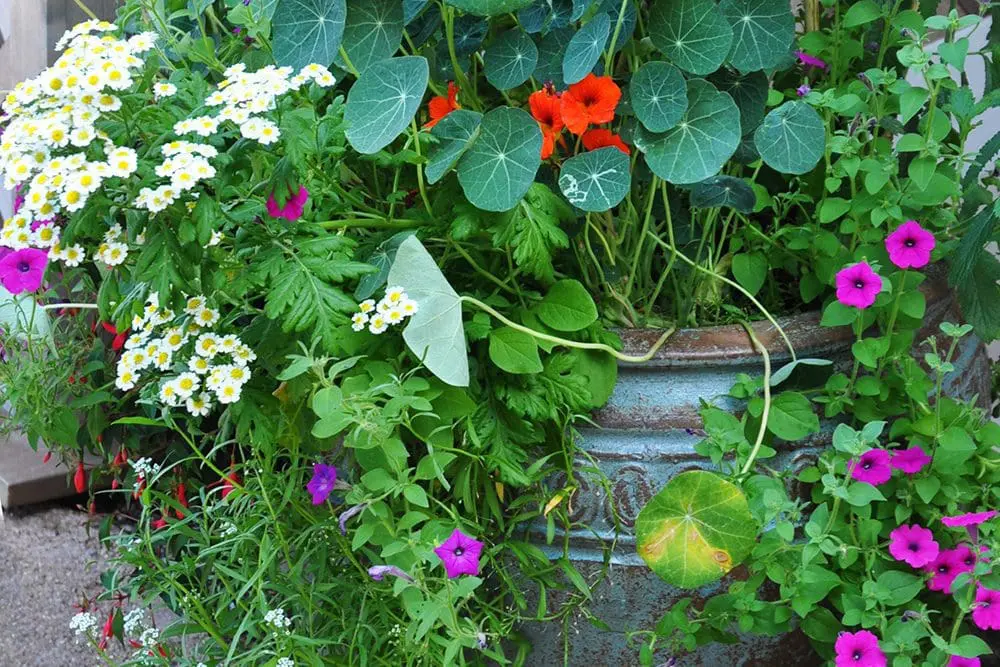
Bring the Garden Home
Shop plants and seeds from our nursery.
Learn from the Land
Paid youth internship opportunities focused on ecology, horticulture, and agriculture.

Volunteering
Want to get involved? Learn about seasonal volunteer opportunities.